
Why great candidates lose to average ones
I used to assume hiring was roughly a talent sort. Better candidate, better odds, with some noise around the edges. Then I started reading the actual data on who gets picked, and the noise turned out to be the signal. A lot of the time the stronger candidate loses to a weaker one, and not by accident. The system is doing exactly what it’s built to do. It’s just not built to find the best person.
It’s built to avoid a bad hire. Those aren’t the same goal, and the gap between them is where great candidates go to die.
Being overqualified is a penalty, not a bonus
Start with the most backwards one. If you’re clearly stronger than a role needs, that counts against you.
Recruiters are roughly twice as likely to say they’d “virtually never” hire an overqualified candidate as they are to say it about an underqualified one (TestGorilla). The stated reasons are always the same: they’ll get bored, they’ll cost too much, they’ll leave the second something better comes along. So the resume that’s too good triggers a flight-risk alarm, and the hiring manager quietly reaches for the safe, exactly-calibrated candidate instead.
The irony is that the fear is mostly wrong. Two decades of organizational research shows only a handful of studies find a negative link between overqualification and performance, and most find overqualified employees perform as well or better than their peers (Oxford Leadership). They tend to rate their tasks as more important and do more of the unglamorous work nobody assigned them. The bored, resentful overqualified hire is real, but it’s the exception the whole heuristic is built around.
There’s a subtler version too. A Harvard study found the same “overqualified” signal reads differently depending on who’s carrying it. Men flagged as overqualified got read as flight risks, while women with identical credentials got read as highly committed (Harvard Gender Action Portal). Same fact, opposite inference, depending on the story the reviewer already has in their head. Which tells you the screen isn’t measuring your qualifications. It’s measuring how reassuring your qualifications feel to a specific nervous person.
A vouched-for average beats a cold great
Here’s the one that quietly decides more outcomes than anything on your resume. Where your application comes from matters more than what’s in it.
Referrals make up a tiny and shrinking slice of applications, under 2% in Ashby’s data and dropping toward 1%, yet they hold steady at around 17% of all hires (Ashby). Do that math and a referred candidate is many times more likely to get hired than someone in the cold pile; one 2026 benchmark of over 165 million applications put referrals at roughly 11x the conversion rate of job-board applicants. And it’s not just that they get in. Referred hires stick around longer and get better performance reviews, and they accept offers at higher rates.
Sit with what that means for a strong cold applicant. You can be the best person in the stack of 300 and still lose to someone merely fine who had coffee with the hiring manager’s old teammate. Not because the hiring manager is corrupt, but because a referral is a pre-loaded answer to the only question that actually keeps them up at night: is this going to be a mistake. A stranger’s resume is a bet. A referral is a bet someone they trust already co-signed.
I’ll be fair to the practice, because it’s easy to sneer at. Referrals genuinely produce better retention and performance, so they’re not pure nepotism, and the vouching carries real information. But they also quietly launder whoever your existing employees already know, which is how a company ends up with sixty people from the same four schools. Both things are true. The candidate on the outside pays for it either way.
“Great” often just means illegible
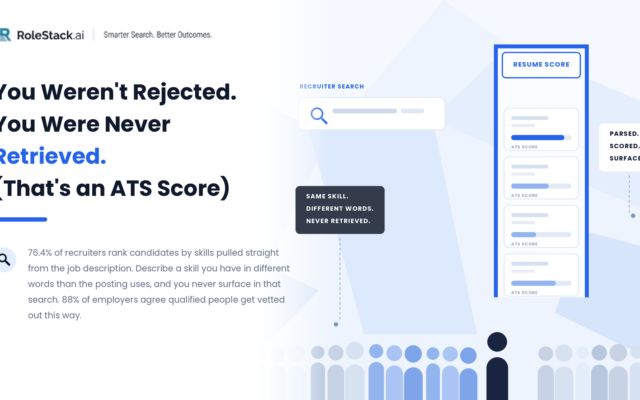
The last one is less about bias and more about translation. A lot of great candidates lose because the person skimming can’t tell they’re great in the six-ish seconds they get.
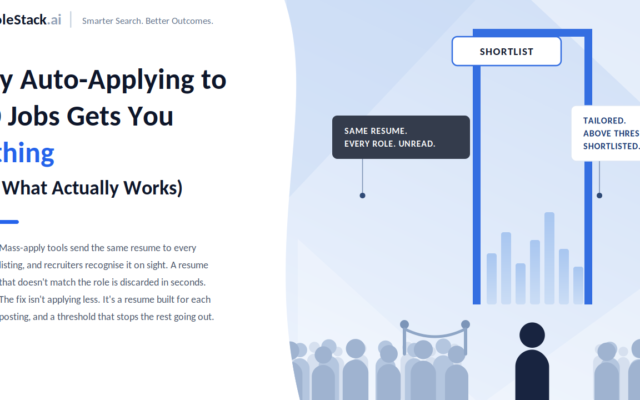
A recruiter scanning for a specific role isn’t reading your career, they’re pattern-matching for their own language. Experience described in the wrong vocabulary reads as a miss even when it’s a perfect fit underneath. This is why tailoring keeps showing up in the data: one study of 15,000 applications found resumes matched to the posting hit an 11.7% callback rate against 4.2% for generic ones. The tailored resume didn’t have better experience. It had more legible experience. The generic one, often from the stronger candidate who figured the work would speak for itself, got filed under “doesn’t quite fit” and never recovered.
That’s the quiet tax on being great and assuming it’s obvious. Depth that isn’t phrased in the reviewer’s terms doesn’t read as depth. It reads as noise, and noise gets cut fast when there are 299 other resumes behind it.
What all three have in common
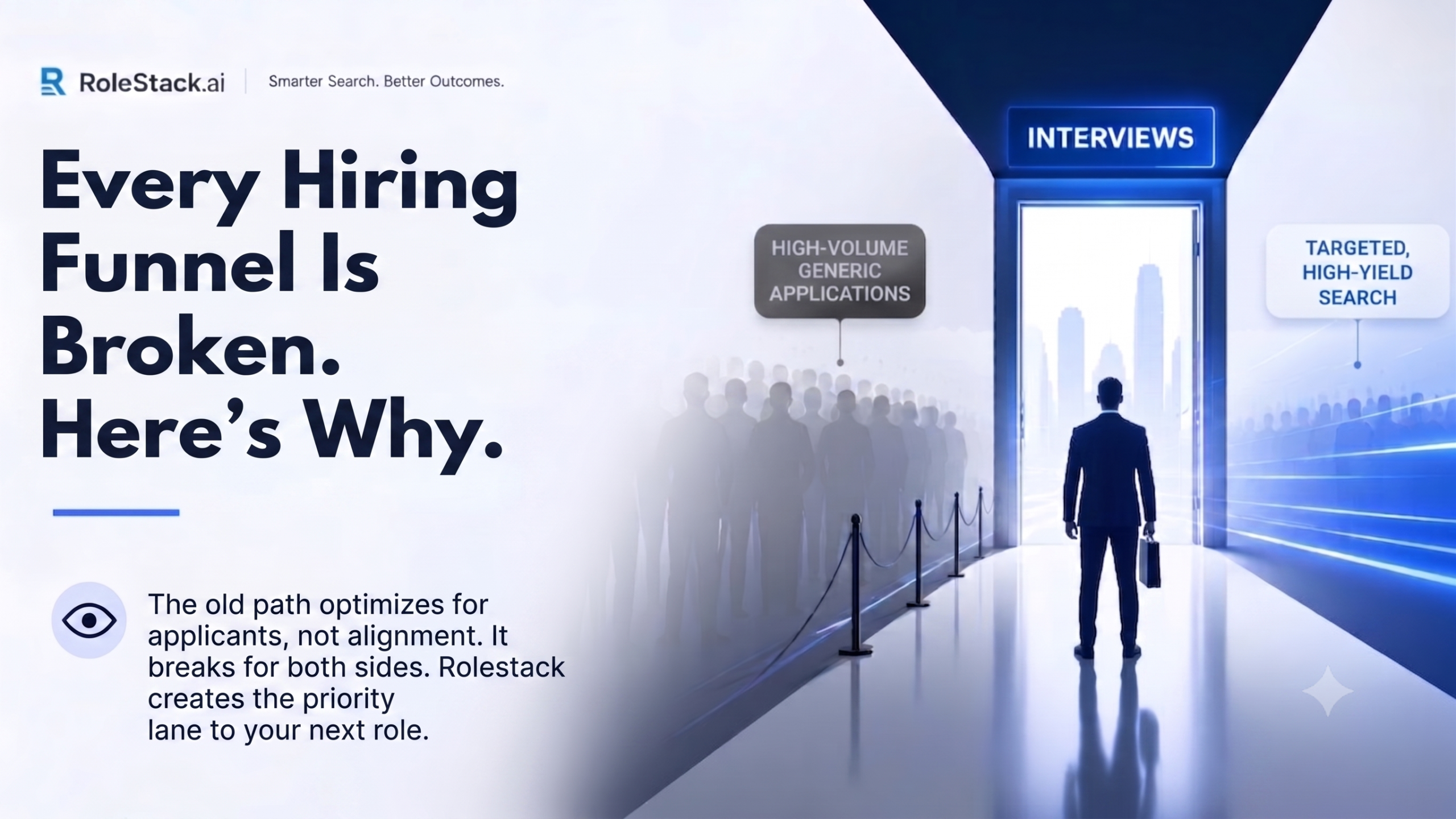
None of these is really about talent. Overqualification, the referral gap, legibility — they’re all the same move from the reviewer’s side. Faced with too many options and a real career cost if they pick wrong, people don’t optimize for the best outcome. They minimize the odds of an obvious mistake. Reassuring beats impressive. Known beats unknown. Exactly-right beats more-than-enough.
And it’s getting worse, not better. As AI floods every posting with polished, keyword-perfect applications, the impressive resume stops being a signal at all, since everyone’s is impressive now. So reviewers lean harder on the shortcuts that still mean something: the referral, the warm intro, the exact-match, the low-risk profile. The cold great candidate doesn’t just lose today. They lose by more each year.
If you’re the strong candidate this keeps happening to, the fix isn’t to get better. You’re already past the bar. It’s to stop making the reviewer work to see it. Get referred when you can, even a weak-tie intro changes which pile you’re in. Phrase your experience in the role’s actual language instead of trusting it to be self-evident. Apply while the pool is small enough that a person is still reading carefully. Being the best candidate is a fine place to start. It’s a terrible place to stop, because the market was never grading on best.
That last part — getting in early, matched, and legible instead of late and generic — is the boring problem RoleStack works on. It surfaces fresh, high-fit roles before the boards fill up and tailors your resume to each one, so a strong-but-cold application at least reads like the obvious fit it is. It can’t get you a referral. But it can keep you from losing on the two filters that don’t care how good you are. Try RoleStack